The animal kingdom, in one place.
Photographs, common names and family trees for 756,338 animal species — from the blue whale down to the water bear.
Or start here:LionAxolotlBlue WhaleCommon OctopusEmperor PenguinMonarch ButterflyGrey WolfWater Bear
Pick a group
Twenty ways in, from the ones everybody knows to the ones almost nobody does. Each opens onto everything beneath it.
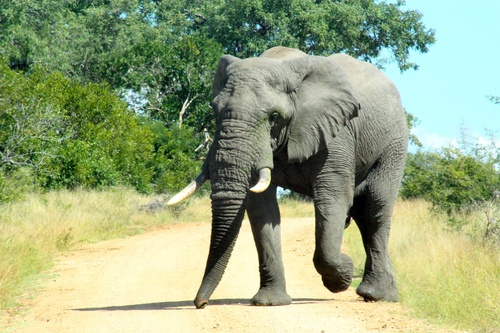 Mammals6,868 species
 Birds11,363 species
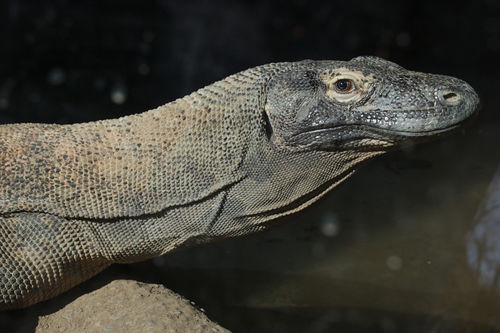 Reptiles12,368 species
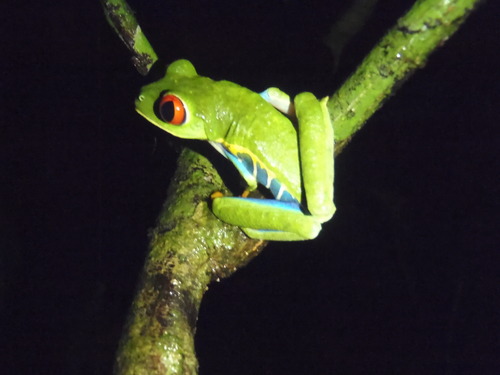 Amphibians8,965 species
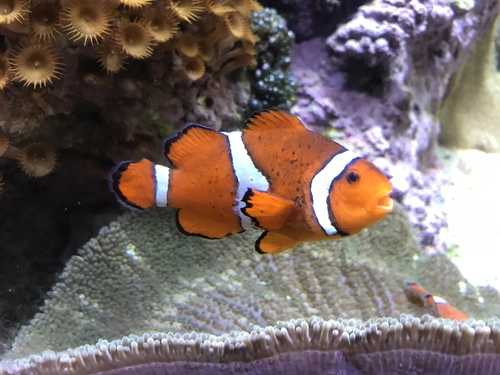 Fishes35,717 species
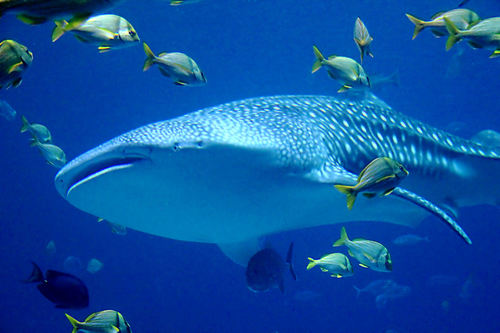 Sharks and rays1,326 species
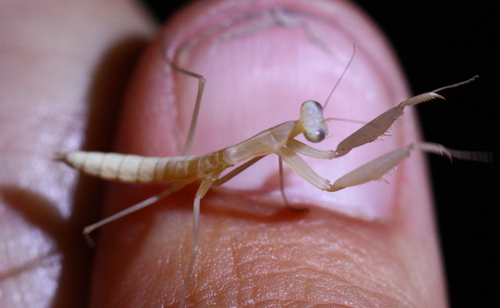 Insects510,190 species
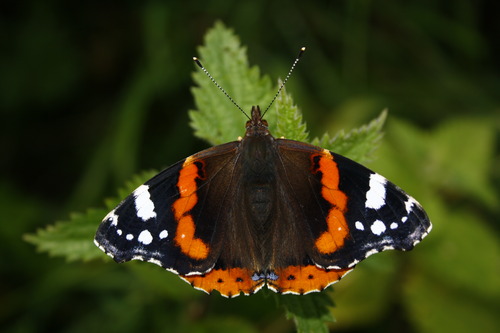 Butterflies and moths166,080 species
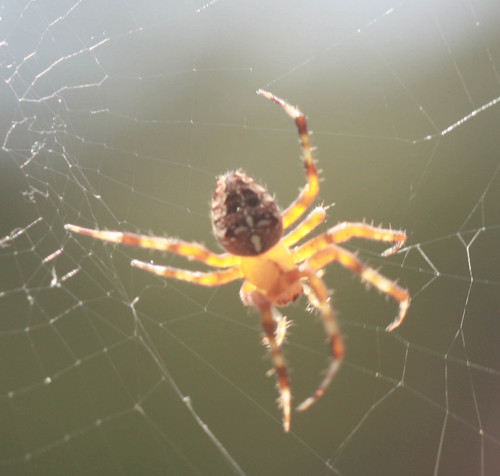 Spiders and scorpions69,522 species
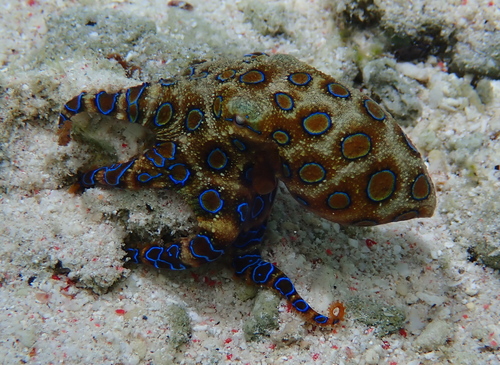 Octopuses and squid883 species
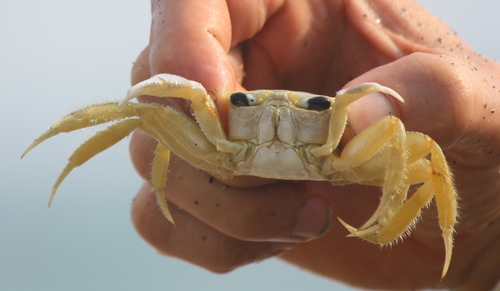 Crabs, shrimp and lobsters17,149 species
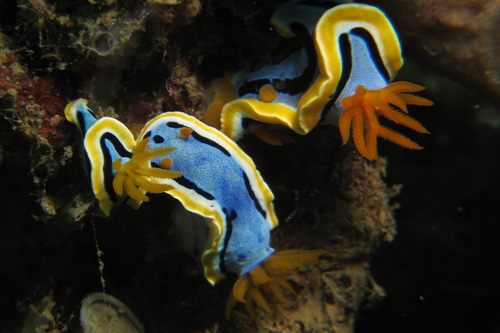 Snails and slugs32,742 species
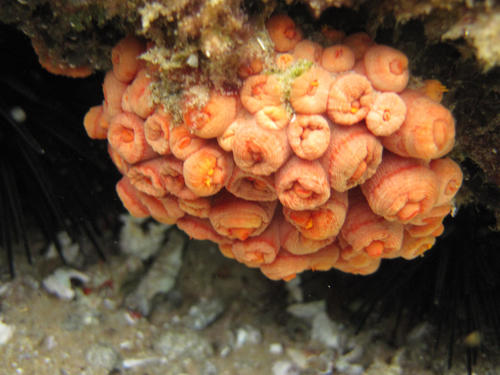 Corals and anemones2,733 species
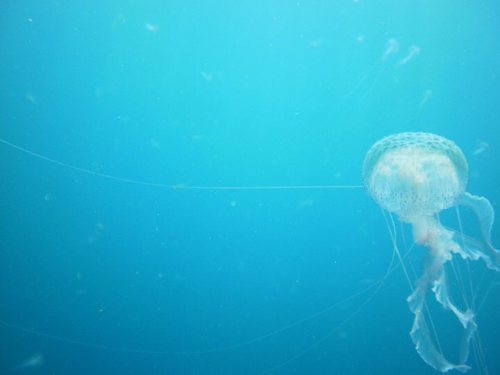 Jellyfish199 species
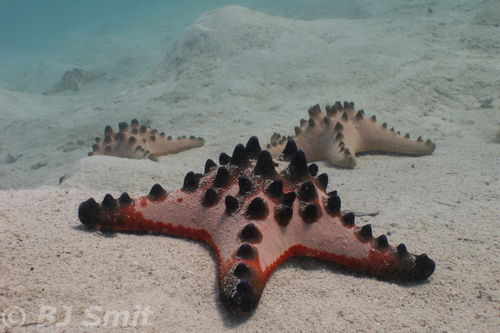 Sea stars1,841 species
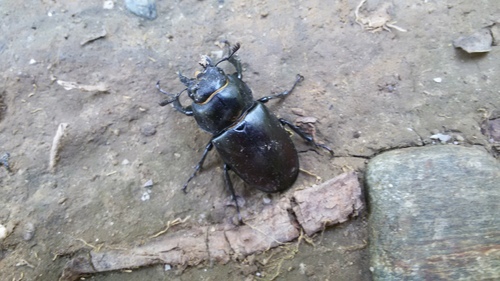 Beetles134,573 species
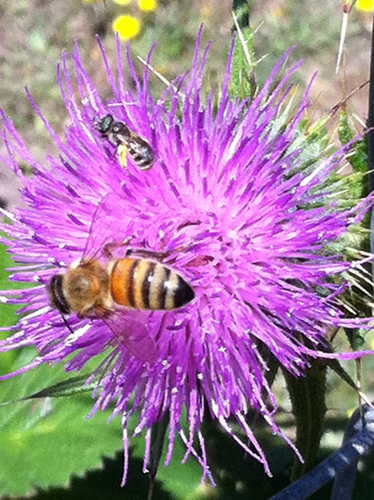 Bees, wasps and ants58,012 species
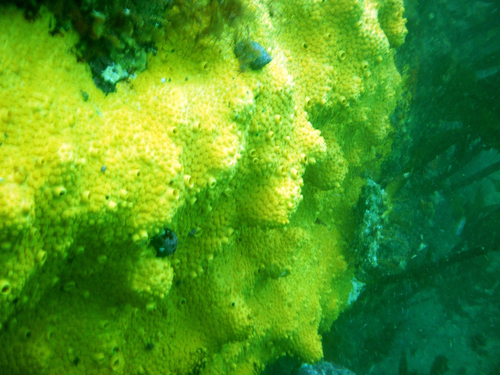 Sponges2,329 species
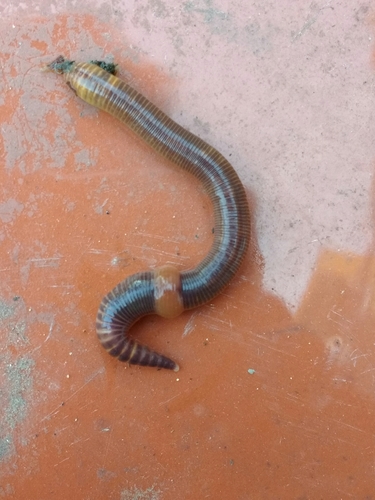 Earthworms and leeches1,326 species
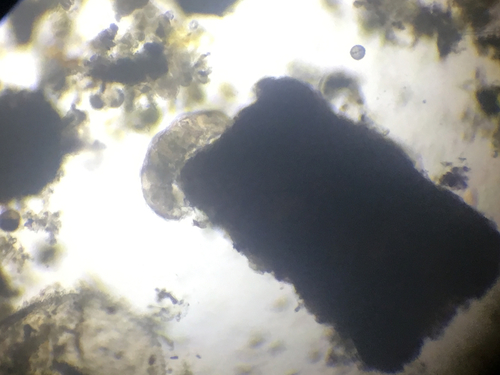 Water bears237 species
Photographs by iNaturalist contributors, under the Creative Commons licences credited on each animal's own page.
Meet a few of them
Animals someone has taken the trouble to write about — what they do, where they live, and why they are worth knowing.
- African Bush ElephantLoxodonta africana
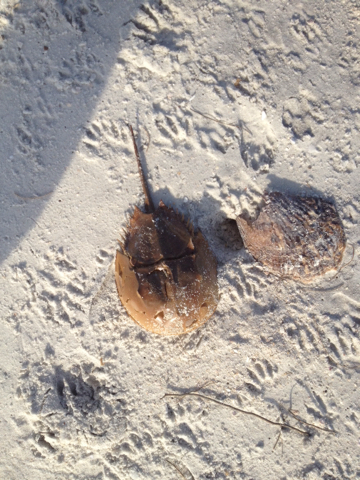 Atlantic Horseshoe CrabLimulus polyphemus
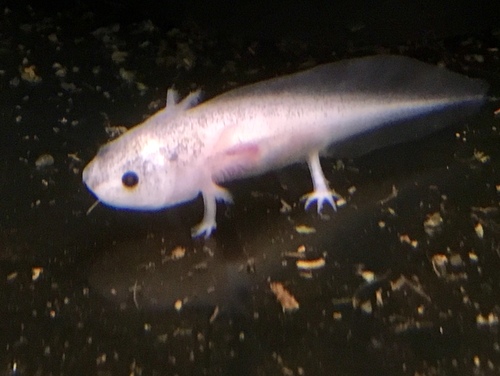 AxolotlAmbystoma mexicanum
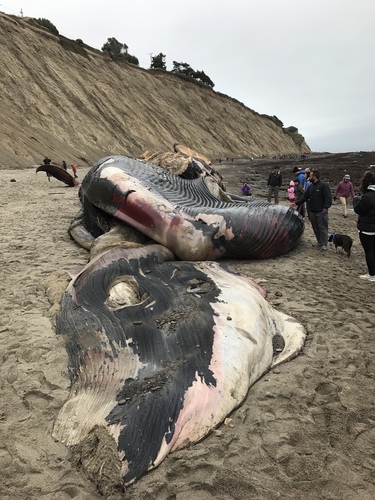 Blue WhaleBalaenoptera musculus
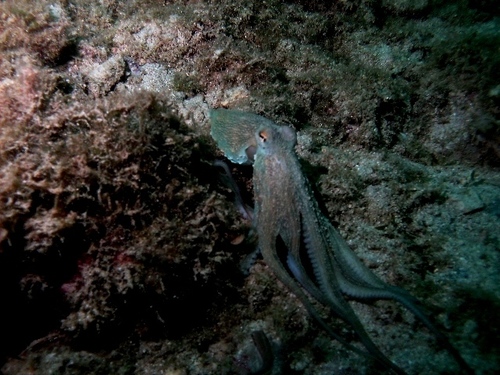 Common OctopusOctopus vulgaris
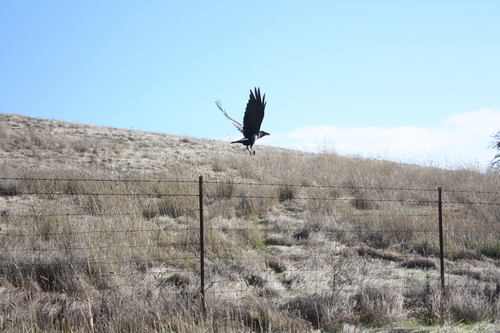 Common RavenCorvus corax
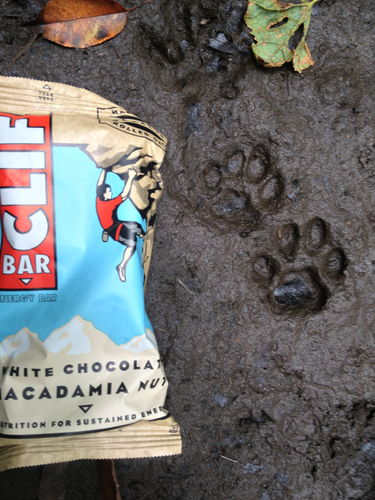 Domestic CatFelis catus
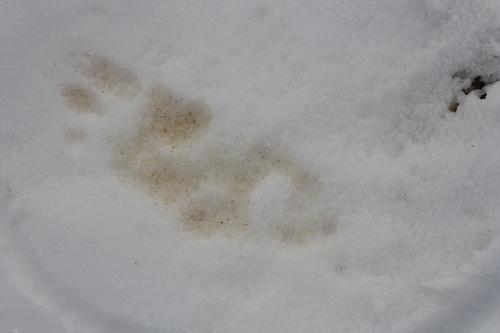 Domestic DogCanis familiaris
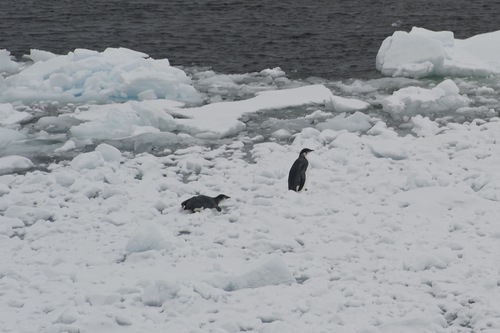 Emperor PenguinAptenodytes forsteri
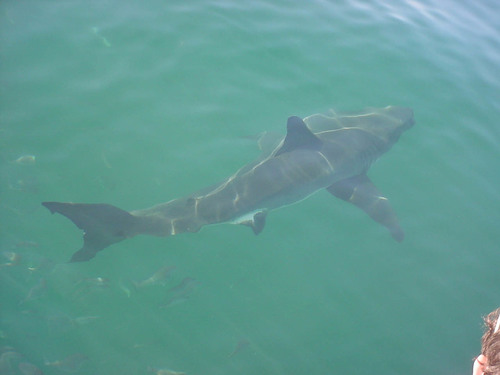 Great White SharkCarcharodon carcharias
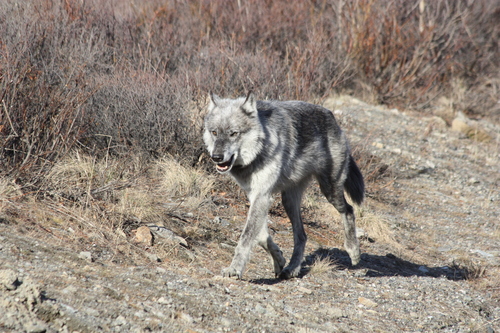 Grey WolfCanis lupus
- Komodo DragonVaranus komodoensis
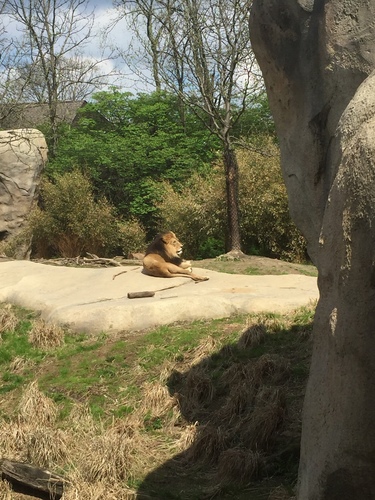 LionPanthera leo
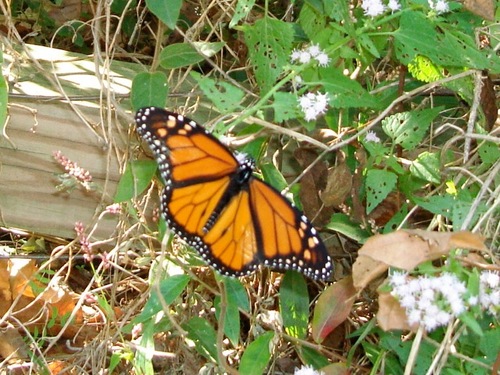 Monarch ButterflyDanaus plexippus
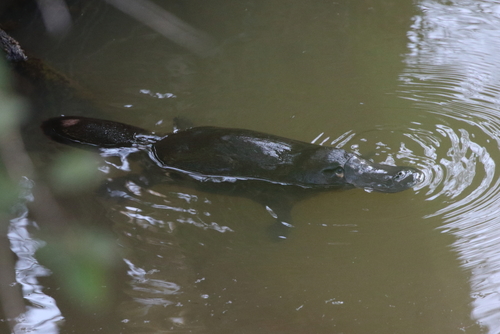 PlatypusOrnithorhynchus anatinus
 Polar BearUrsus maritimus
 Sperm WhalePhyseter macrocephalus
 TigerPanthera tigris
- Western Honey BeeApis mellifera
Or browse by idea
Collections that cut across the family tree — grouped by what animals do, where they live, or what they mean to us.
- Animals that changed medicineSpecies whose biology underwrites drugs, diagnostics or the research that produced them.


- Animals that regenerateSpecies that regrow limbs, organs or whole bodies from fragments.


- Apex predatorsAnimals with no natural predators of their own as adults.


- Poles apartAnimals of the Arctic and the Antarctic, and why the two faunas look nothing alike.


- The deep seaAnimals of the water column and sea floor below the reach of sunlight.
- Domesticated animalsSpecies reshaped by living alongside us.


- Extreme survivorsAnimals that persist through conditions lethal to almost everything else.

- The great apesThe seven living species of the family Hominidae, including our own.


- The great migrationsJourneys that cross oceans, continents or generations.


- Living fossilsLineages whose body plan has changed remarkably little over very long spans of time.


- Record breakersThe largest, fastest, deepest and longest-lived animals known.


- Venomous animalsSpecies that manufacture toxins and deliver them by bite, sting or spur.


The shape of the animal kingdom
Every animal alive belongs to one of these 23 great branches. Four out of every five described species are arthropods — insects, spiders, crabs and their relatives — and everything with a backbone fits in the second bar down.
 ArthropodsArthropoda610,348
 ChordatesChordata79,931
 MolluscsMollusca43,356
 EchinodermsEchinodermata6,966
 Segmented WormsAnnelida4,441
 CnidariansCnidaria4,220
 SpongesPorifera2,329
 RotifersRotifera1,053
 Moss AnimalsBryozoa999
 RoundwormsNematoda880
 FlatwormsPlatyhelminthes587
 Ribbon WormsNemertea288
 Water BearsTardigrada237
- Thorny-headed WormsAcanthocephala181
 Comb JelliesCtenophora179
 LampshellsBrachiopoda134
 Arrow WormsChaetognatha105
 Horsehair WormsNematomorpha56
- Acorn Worms and PterobranchsHemichordata23
- Mud DragonsKinorhyncha19
- PlacozoansPlacozoa3
- CycliophoransCycliophora2
- GnathiferansGnathifera1
Open the whole tree · Start at the kingdom (756,338 species)
What is in here
AnimalWiki is free to read, free to reuse, and written in the open. If you spot something wrong or know something worth adding, you can fix it yourself — here is how it works.